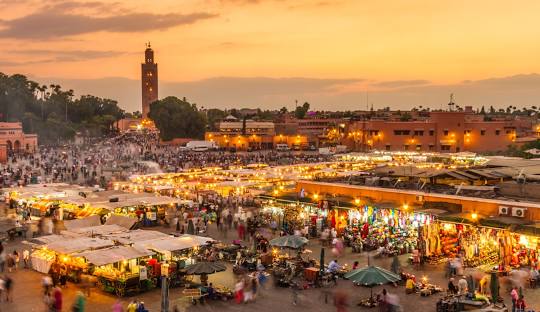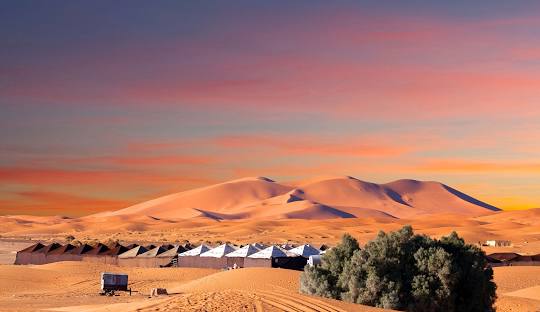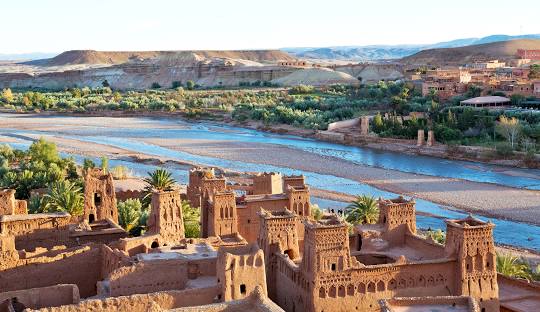
With Morocco Tourist Guide, a day trip from Marrakech to Atlas Mountains is one of the easiest ways to escape the energy of the city and experience a completely different side of the Kingdom. In just a few hours, travelers can leave behind the busy medina, colorful souks, and lively streets of Marrakech and reach a landscape of rugged peaks, green valleys, flowing rivers, terraced fields, and traditional Amazigh villages. The Atlas Mountains surround Marrakech to the south and provide a spectacular backdrop to the city.
Day Trip From Marrakech To Atlas Mountains
One of the most accessible areas for a day trip from Marrakech to Atlas Mountains is the Ourika Valley, while Imlil offers a closer look at the mountain range and landscapes around Toubkal National Park, which is located between the N’Fiss and Ourika valleys, placing some of Morocco’s most inspiring mountain scenery within reach of Marrakech. For visitors with limited time in Morocco, an Atlas Mountains day trip is particularly appealing because it combines scenery, culture, walking, food, and rural life without requiring an overnight stay.
A well-planned day trip from Marrakech to Atlas Mountains can start in the morning and return by late afternoon or evening. The journey is part of the experience. As you leave the city, the urban landscape gradually changes into the open countryside around the Haouz plain. Olive groves, orchards, small villages, and distant mountain ranges begin to replace the buildings and traffic of the city. As the road approaches the foothills, the landscape becomes increasingly mountainous, with traditional Amazigh settlements appearing among the hills.
A day trip from Marrakech to Atlas Mountains towards Ourika is especially scenic. The route is a gradual transition from the Haouz plain, with olive groves and orchards, into the hills and valleys of the beautiful Atlas foothills. The exact journey time depends on your destination, traffic, road conditions, and the number of stops along the way. Ourika is often selected for shorter and more relaxed excursions, while Imlil provides access to a more mountainous environment.
Ourika Valley is one of the most popular destinations for day trip from Marrakech to Atlas Mountains. Located south of the city, it is known for its green landscapes, mountain streams, traditional villages, local food, and access to walking routes. Ourika is at approximately 30 kilometers south of Marrakech and its valley is a destination combining natural scenery and Amazigh culture. It is particularly attractive because of its contrast with Marrakech. Instead of navigating crowded streets and market stalls, visitors can follow a river through a narrow mountain valley, enjoy views of terraced hillsides, and stop in villages along the route.
One of the best-known choice for a day trip from Marrakech to Atlas Mountains is Setti Fatma, a village associated with a series of waterfalls in the surrounding area. It is as a popular destination in the Ourika Valley, with walking routes leading towards the waterfalls. A walk around Setti Fatma can be the active part of an otherwise relaxed day. The paths can be rocky and uneven, so sturdy footwear is recommended. Travelers should also be realistic about their fitness level and weather conditions before setting out on a mountain trail.
A major reason to visit the Atlas Mountains is the opportunity to experience Amazigh culture in a rural setting. The mountain valleys around Marrakech are home to communities whose traditions, architecture, agriculture, crafts, and cuisine form an important part of Morocco’s cultural heritage. During an excursion, you may pass through small villages built into the slopes, see agricultural terraces, and encounter local cooperatives producing traditional goods. Some excursions also include visits to local homes or opportunities to enjoy tea and a meal with mountain communities.
The day trip from Marrakech to Atlas Mountains is different from visiting cultural attractions inside the city because the landscape and local way of life are directly connected, highlighting Amazigh villages and opportunities to discover traditional crafts and activities in the Atlas valleys. For many visitors, a traditional lunch becomes one of the highlights of the day. Mountain restaurants and guesthouses may serve Moroccan dishes such as tagine, couscous, salads, fresh bread, and mint tea.
Eating while looking across a valley or sitting beside a mountain stream can make the meal feel like part of the excursion rather than simply a restaurant stop. Travelers looking for a more inspiring High Atlas experience can consider Imlil. The village is an important gateway to Toubkal National Park and is widely associated with trekking in the High Atlas. In fact, it is a traditional mountain area surrounded by agricultural terraces and mountain scenery and as a starting point for excursions towards Mount Toubkal.
Imlil is particularly suitable for a day trip from Marrakech to Atlas Mountains, especially in the context of travelers who want to combine a scenic drive with a mountain walk. Rather than attempting to climb Mount Toubkal during a single day from Marrakech, visitors can explore the surrounding trails and villages at a more manageable pace. The mount is the highest peak in North Africa, but reaching its summit is a much more demanding undertaking than a standard day trip.
The Toubkal trek generally takes two or three days, with hikers starting from Imlil and staying overnight in mountain accommodation before continuing to the summit. This distinction is important when planning your trip. A day excursion can provide beautiful views of the High Atlas and an introduction to mountain trekking, but a summit attempt requires additional time, preparation, suitable equipment, and appropriate guiding arrangements.
A day trip from Marrakech to Atlas Mountains does not have to be focused entirely on hiking. The region offers several ways to spend the day depending on your interests. Nature lovers can enjoy mountain scenery, rivers, waterfalls, orchards, and panoramic viewpoints. Travelers interested in culture can spend time in Amazigh villages, visit local cooperatives, and learn about traditional lifestyles. Food enthusiasts can enjoy a Moroccan lunch in a mountain setting, while active travelers can choose longer walks through the valleys and surrounding hills.
Photography is another major attraction. The landscape changes beautifully depending on the season, weather, and altitude. Green valleys contrast with rocky mountain slopes, while snow can appear on the higher peaks during colder months. The journey between Marrakech and the mountains also provides opportunities to photograph villages, farmland, and changing landscapes. Morocco’s mountain regions offer activities including hiking, mountain biking, skiing, and other outdoor adventures.
A typical day trip from Marrakech to Atlas Mountains an begin with an early morning departure. Starting early gives you more time in your destination and allows you to enjoy the route before the busiest periods. After leaving the city, the journey continues through the countryside towards the Atlas foothills. A stop in or near an Amazigh village can provide an introduction to local life before continuing deeper into the valley.
For an Ourika-focused itinerary, the day can continue towards Setti Fatma, where you can take a moderate walk, enjoy the surrounding scenery, and have lunch beside the valley. The Ourika Valley includes a route through Tnine Ourika, Oualmas, and Sti Fadma, with a walk towards the waterfalls and time for lunch before returning to Marrakech. For an Imlil-focused excursion, the itinerary can revolve around a scenic drive to the village followed by a guided mountain walk. After exploring the surrounding valley and enjoying lunch, travelers can begin the return journey to Marrakech.
The itinerary should remain flexible because mountain conditions, road traffic, and walking times can vary. The day trip from Marrakech to Atlas Mountains can be done throughout the year, but the experience changes with the seasons. Spring often brings colorful vegetation and greener valleys, while summer can provide a cooler alternative to the heat of Marrakech, especially at higher elevations. Autumn offers pleasant walking conditions, while winter brings colder weather and snow to some of the higher mountain areas.
It is worth remembering that temperatures in the mountains can be noticeably different from those in Marrakech. Even when the city feels hot, higher areas may be cool, particularly in the morning or late afternoon. Comfortable walking shoes are one of the most useful things to bring for a day trip from Marrakech to Atlas Mountains. Even excursions described as easy can involve uneven ground, stone paths, stairs, or short sections of mountain trail. Sun protection is also important.
Bring water, sunglasses, sunscreen, and a hat, particularly during warmer months. Lightweight layers are useful because temperatures may change during the day, and a jacket is advisable when heading into higher areas. Travelers planning a longer day trip from Marrakech to Atlas Mountains should prepare more carefully, and discuss the route with a local guide before starting. Mountain conditions can change, and an itinerary that seems straightforward from Marrakech may be considerably more demanding once you are on the trail.
Ourika and Imlil provide different versions of the Atlas Mountains experience. The first is particularly convenient for travelers who want a combination of valley scenery, villages, waterfalls, food, and a relatively accessible day trip from Marrakech to Atlas Mountains. Imlil is more focused on the environment and is especially appealing to visitors interested in hiking and mountain landscapes. Neither experience needs to be rushed.
The best day trip from Marrakech to Atlas Mountains allows enough time to appreciate the journey, stop for photographs, walk through the landscape, and spend time in the villages rather than trying to visit too many places in one day. The main attraction of an Atlas Mountains day trip is the change of scenery. Marrakech is famous for its architecture, gardens, traditional markets, historic monuments, and vibrant atmosphere, but the mountains reveal a quieter and more rural side of the region.
In a single day trip from Marrakech to Atlas Mountains, travelers can experience landscapes that feel far removed from the city while still returning the same evening. The combination of mountain views, Amazigh culture, traditional food, rivers, villages, and outdoor activities makes the excursion a natural addition to a Marrakech itinerary. The Atlas region is an important nature and adventure destination around the city, with routes connecting visitors to valleys, mountain villages, Imlil, and Toubkal National Park.
A day trip from Marrakech to Atlas Mountains is therefore more than a quick sightseeing excursion, but a chance to leave the city behind, discover the landscapes of the mountain foothills, meet local communities, enjoy Moroccan food in a spectacular setting, and experience the natural beauty that surrounds Marrakech. Whether you spend the day beside the river in Ourika, walking around Setti Fatma, or exploring the mountain paths around Imlil, the Atlas Mountains offer a memorable contrast to the energy of Marrakech.
For travelers planning a Morocco holiday, experiencing a day trip from Marrakech to Atlas Mountains can add variety to the city stay and provide an opportunity to see a landscape that is completely different from the medina and the surrounding plains.